CSL Plasma | Case study Password protected
Biotech booking system native mobile app
CSL Plasma
The 20 minutes nobody
had time for
CSL Plasma runs one of the largest plasma collection networks in the world. The app was supposed to make donating easy. Instead, donors were dropping off mid-booking, missing appointments, and arriving unprepared, backing up entire centres.
My role:
I led the UX work, owning research, flows, wireframes, prototyping, and UI, while collaborating closely with the second designer and managing stakeholder expectations throughout.
The team included 2 product designers, a head of design, a scrum master, a product owner, a business analyst, a dev team, and 2 stakeholders.
CSL Plasma runs one of the largest plasma collection networks in the world. The app was supposed to make donating easy. Instead, donors were dropping off mid-booking, missing appointments, and arriving unprepared, backing up entire centres.
My role:
I led the UX work, owning research, flows, wireframes, prototyping, and UI, while collaborating closely with the second designer and managing stakeholder expectations throughout.
The team included 2 product designers, a head of design, a scrum master, a product owner, a business analyst, a dev team, and 2 stakeholders.
Role
Lead product designer
Role
Lead product
designer
Delivery time
3 months
Industry
Native Mobile app/ Biotech
Industry
Native Mobile app
/ Biotech
Key win
50% increase in bookings
Key win
50% increase
in bookings
Outcome
92%
Reduction in arrival wait time
75%
Decrease in the last-minute cancellations
75%
Decrease in the
last-minute cancellations
75%
Decrease in the l
ast-minute cancellations
50%
Increase in bookings
32%
Increase in donors
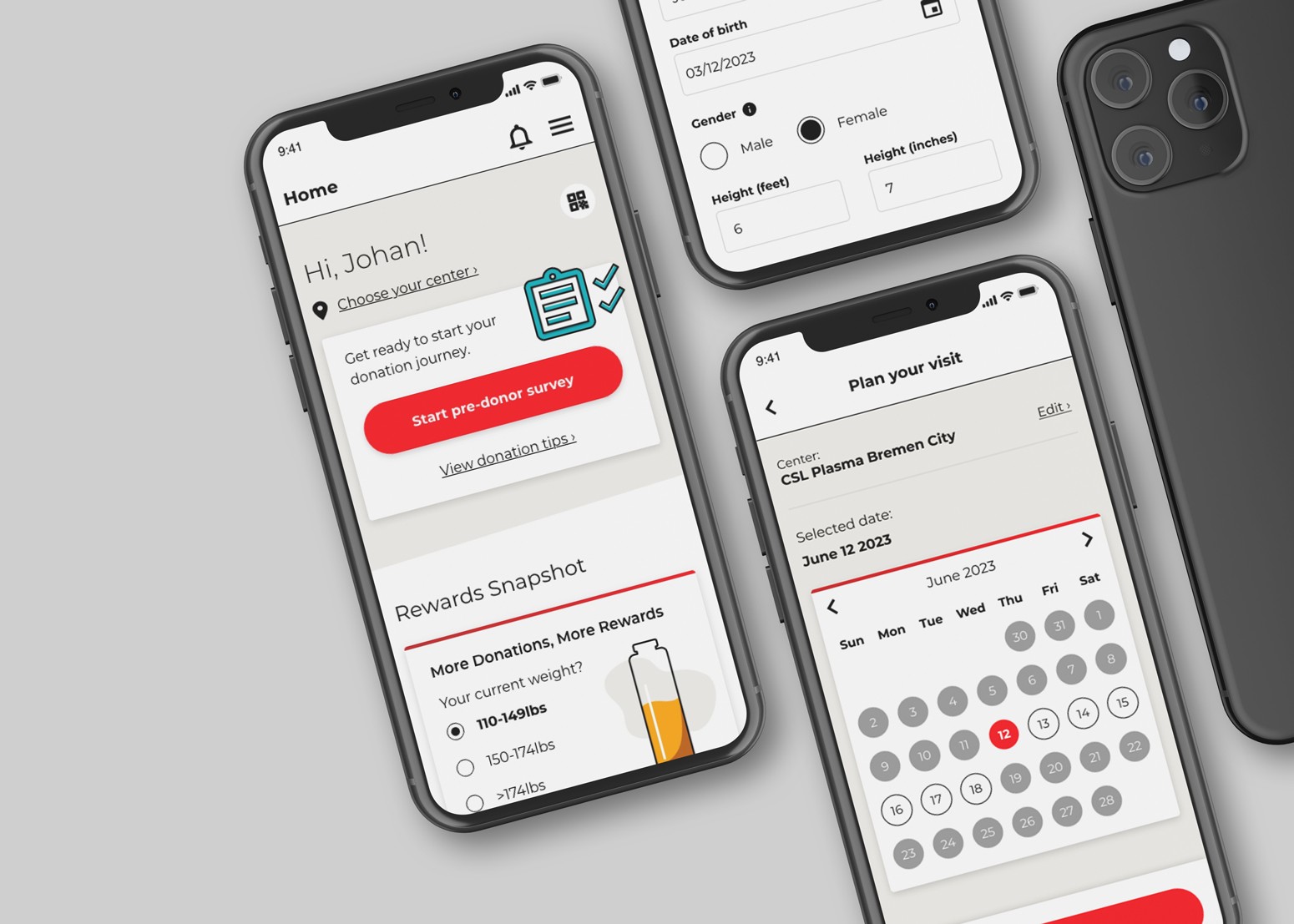
One hypothesis driving two features
The data pointed to a clear opportunity. The app had the information. It just wasn't using it.
We reframed the problems as opportunities:
How might we move the paperwork out of the centre and into the donor's hands before they arrive?
How might we reward returning donors for their consistency without adding complexity for staff?
How might we reduce check-in time without compromising health screening accuracy?
Those questions led to a single hypothesis:
"If we move donor registration and health screening into the app before arrival, store that data securely for reuse, and create a premium fast-track for returning donors who complete pre-visit checks, then check-in time will drop significantly, staff will spend less time on admin, and regular donors will donate more frequently."
This became our north star. Every design decision, every flow, every screen would be tested against whether it moved us closer to eliminating paper from the process entirely and rewarding donors who came back consistently.
One hypothesis driving two features
The data pointed to a clear opportunity. The app had the information. It just wasn't using it.
We reframed the problems as opportunities:
How might we move the paperwork out of the centre and into the donor's hands before they arrive?
How might we reward returning donors for their consistency without adding complexity for staff?
How might we reduce check-in time without compromising health screening accuracy?
Those questions led to a single hypothesis:
"If we move donor registration and health screening into the app before arrival, store that data securely for reuse, and create a premium fast-track for returning donors who complete pre-visit checks, then check-in time will drop significantly, staff will spend less time on admin, and regular donors will donate more frequently."
This became our north star. Every design decision, every flow, every screen would be tested against whether it moved us closer to eliminating paper from the process entirely and rewarding donors who came back consistently.
One hypothesis driving two features
The data pointed to a clear opportunity. The app had the information. It just wasn't using it.
We reframed the problems as opportunities:
How might we move the paperwork out of the centre and into the donor's hands before they arrive?
How might we reward returning donors for their consistency without adding complexity for staff?
How might we reduce check-in time without compromising health screening accuracy?
Those questions led to a single hypothesis:
"If we move donor registration and health screening into the app before arrival, store that data securely for reuse, and create a premium fast-track for returning donors who complete pre-visit checks, then check-in time will drop significantly, staff will spend less time on admin, and regular donors will donate more frequently."
This became our north star. Every design decision, every flow, every screen would be tested against whether it moved us closer to eliminating paper from the process entirely and rewarding donors who came back consistently.
CSL Plasma
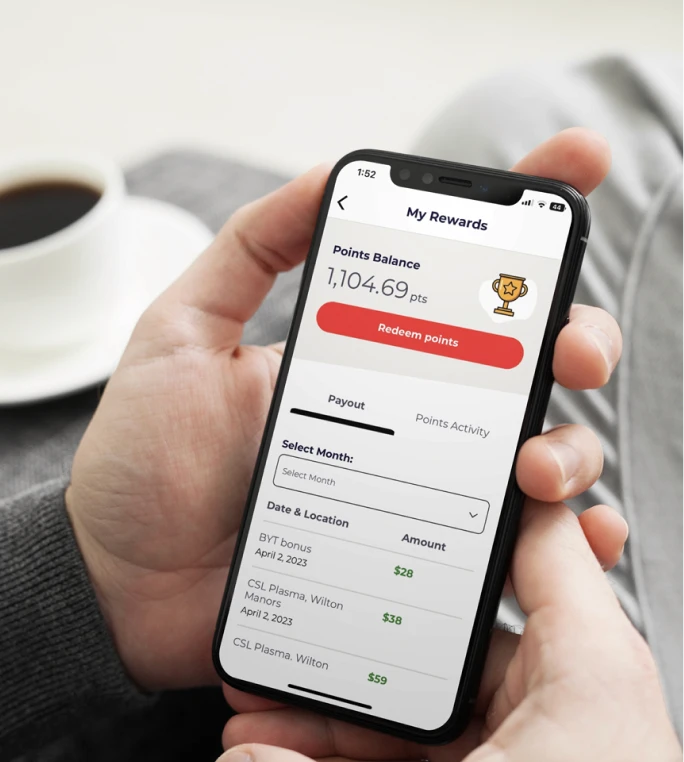
The 20 minutes nobody had time for
Removing physical pre-check-in and introducing a new booking system led to a 50% increase in bookings.
CSL Plasma
The 20 minutes nobody had time for
Removing physical pre-check-in and introducing a new booking system led to a 50% increase in bookings.
B2C
Mobile App
BioTech
TrialTrucker /Ixico
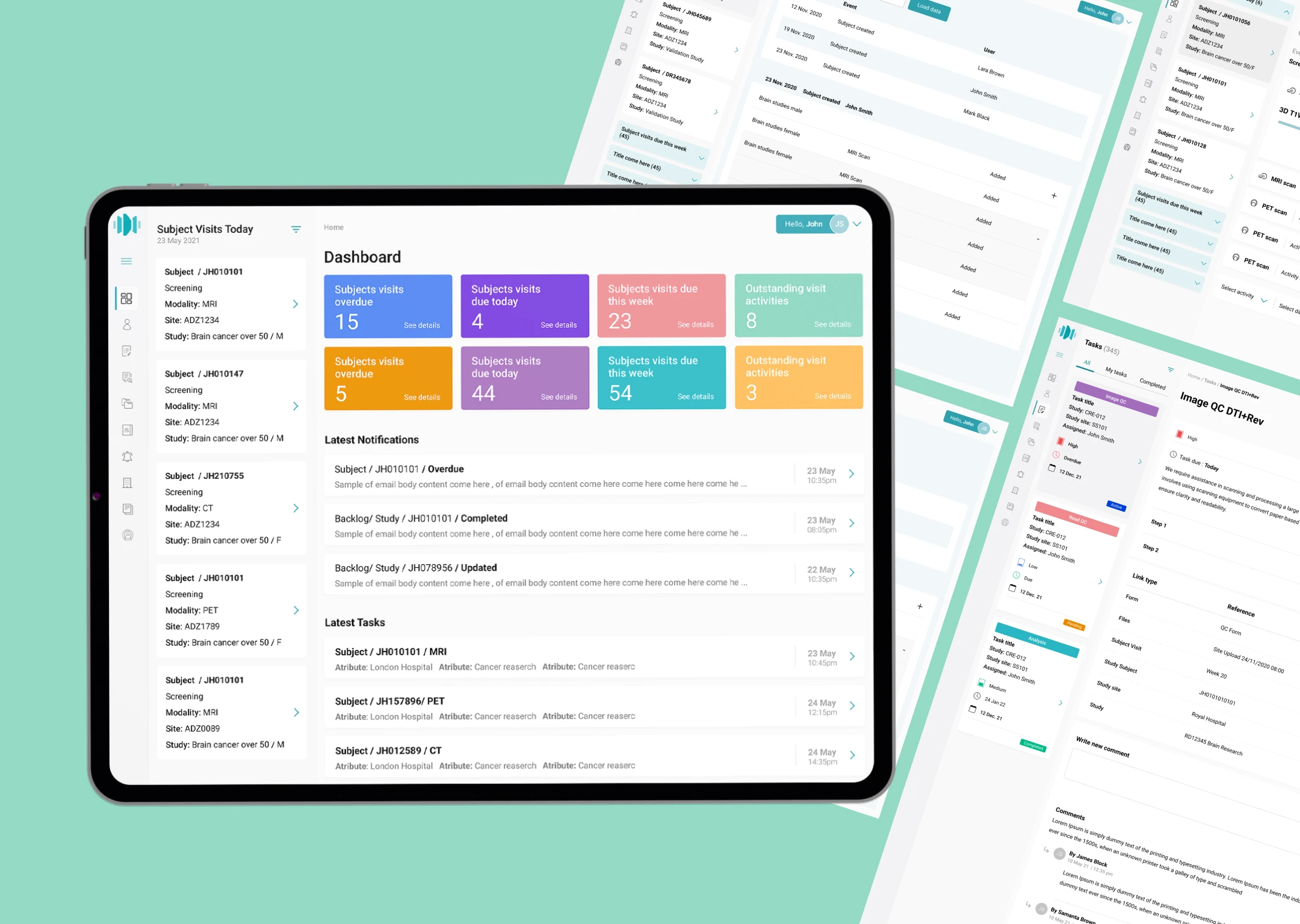
It starts with a delayed scan. It ends with a delayed trial
A new handling process for large MRI, CT, and PET files increased productivity by 47% and stopped delays.
B2B
SaaS
HealthTech
